
Miyakejima: An Island Shaped by Nature, Defined by Its People
A three-day journey revealing the island’s remarkable landscapes—and the warm people who shape them.
The sound of arrival echoes in the cabins, and the lights wake everyone up simultaneously. It’s about 15 minutes until we dock—just before 5am—and the view from the window shows a pitch-dark world beyond. It’s a sign we’ve reached the end of our roughly 6.5-hour ferry ride, and we are facing our first encounter with Miyakejima: the third-largest of Tokyo’s Izu Islands. Technically, we remind ourselves, we are still in Tokyo, yet it already feels a world apart, in a surprisingly soothing way.
“Come on in—get in the car and warm up,” our host says as he rushes us into his pleasantly warm car, not forgetting to ask how our ferry ride went. For us, this is our first encounter with the island’s people. For them, it’s everyday hospitality: arriving at the ferry port long before the ship docks, welcoming guests before sunrise, and settling them in so they can rest until breakfast, around the time the rest of the island begins to wake and exploration can begin.
Miyakejima instantly feels welcoming, warm-hearted, and full of promise. And as the rest of our journey proves, this very first encounter is what stays with travelers long after they leave: the island’s kind people, shaped by the powerful beauty of the nature they coexist with, and their deep love for the place they call home.
Coexisting with Nature: Volcanic Trails, Lava Coastlines, Wind-shaped Landscapes
Bearing an almost perfect round shape, Miyakejima is an island with a circumference of roughly 38 kilometers, located approximately 180 kilometers off central Tokyo’s coast. At its heart stands an active volcano, Mt. Oyama, the island’s most potent symbol and the defining presence shaping many of Miyakejima’s landscapes today.
Past eruptions in 1983 and 2000 significantly transformed the island’s terrain, giving rise to distinctive geosites and much of the dramatic scenery visitors experience today. The 2000 eruption further transformed the island’s environment and, in doing so, reinforced something quieter but enduring: a deep longing for Miyakejima itself. Following this period of activity, residents temporarily left the island. When they returned, a shared and unspoken resolve had taken hold—to make the most of this stunningly beautiful land.
“There’s really no other place like Miyakejima,” says our host at CS Resort, a newly opened hotel on the island. “I’ve been to places, but I always come back,” he adds, pointing up at the stars, before telling us more about what he loves most about the island—topics that return again and again: the nature, the food, and, above all, the people.
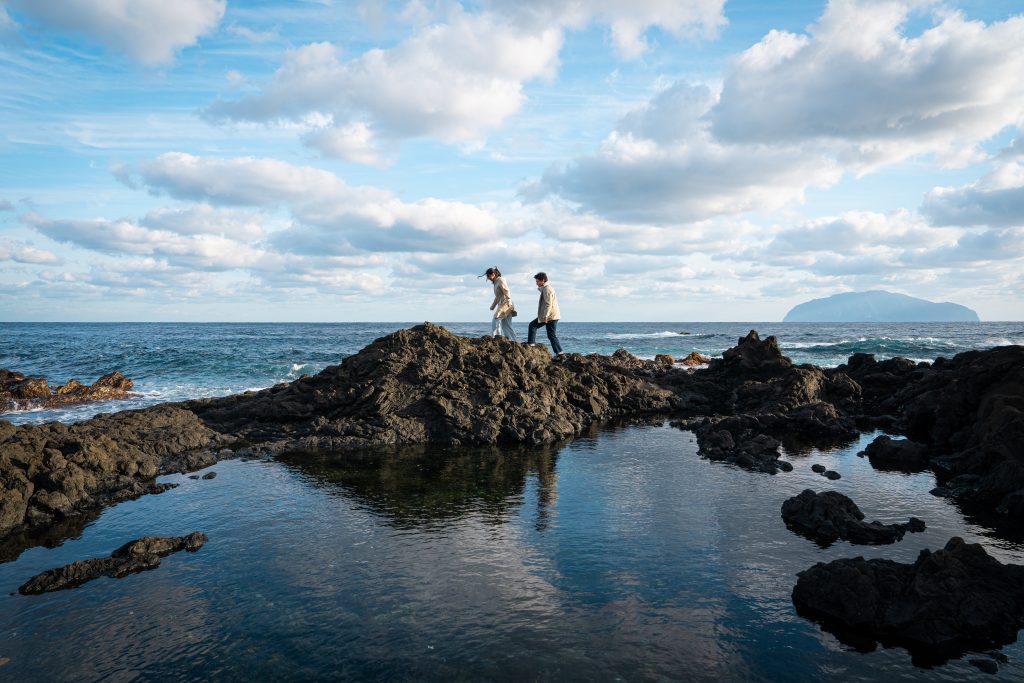
The eruption of Mt. Oyama in 1983 released lava that rose more than 100 meters into the air, leaving parts of the island covered in volcanic rock. For residents, it later became an opportunity to create a new memory—a new walking path from which to witness the power of nature. Constructed in 2007, the Volcano Experience Promenade crosses the lava field, which remains essentially unchanged since the eruption and today showcases a rugged landscape of jet-black rock set against a striking blue sky. It’s a powerful sight: a place that reminds visitors not only of nature’s force, but also of people’s quiet ability to coexist with it.
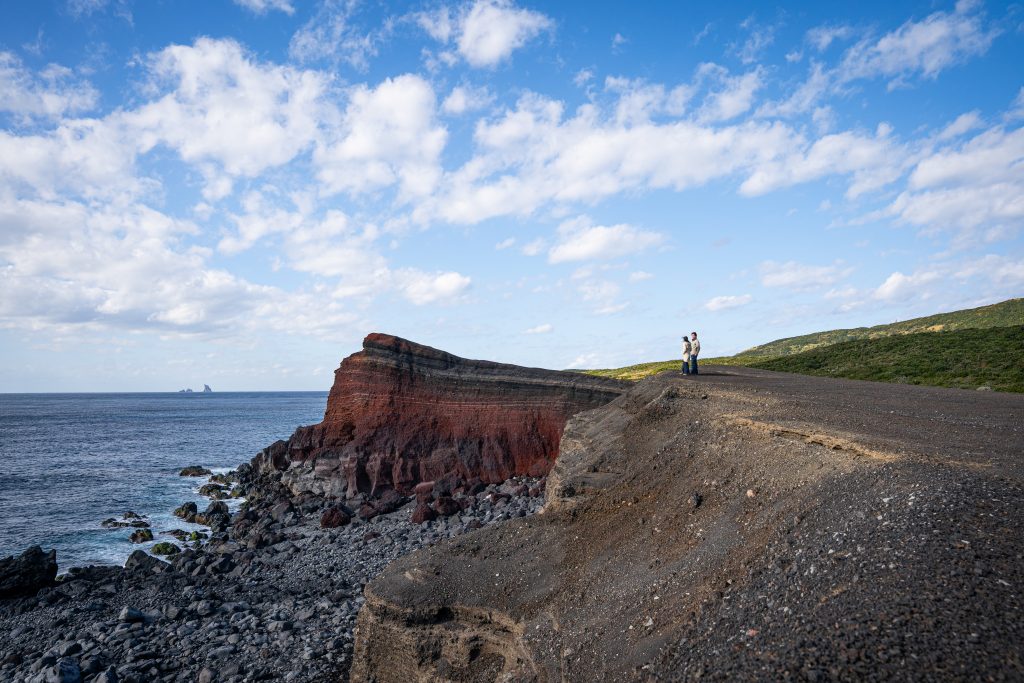
We make our way to another Miyakejima landmark: Nippana Shinzan. Vast and conspicuous even from afar, this unique formation is composed of layers of rock fragments and scoria expelled from the crater during the 1983 eruption. Formed over a single night, it emerges directly from the ocean along the coast, surrounded by seemingly endless scoria, creating a striking landscape.
Walking around Nippana Shinzan feels surreal. You can see the waves crashing from a distance while the vast ocean stretches out before you, with ships and boats passing quietly in the background. The experience evokes unexpected emotions, leaving you with a rare sense of openness—an impression that lingers long after you leave. The photos you take here will quietly transport you back to that moment.
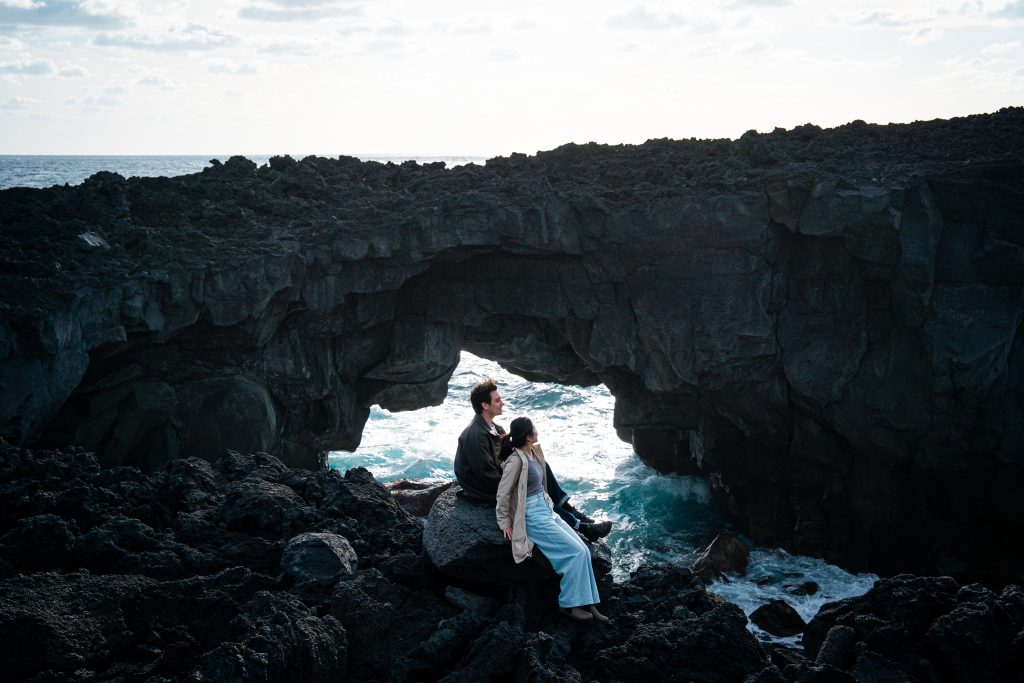
A short drive from Nippana Shinzan brings you to another landmark: Meganeiwa, or “Spectacles Rock.” Formed by lava flows during a 1643 eruption, this massive coastal formation gradually developed two holes at its center, giving it the appearance of a pair of spectacles. Later, powerful waves during a 1959 typhoon split the rocks into two, and as a result, a natural window now opens toward the horizon. Today, Meganeiwa is one of Miyakejima’s most popular places to watch the sunrise and sunset, as the sun rises and sets directly through the opening, with the rocks on either side acting like a natural frame. You can sit on the rocks and take in the scene with little to distract you from the moment.
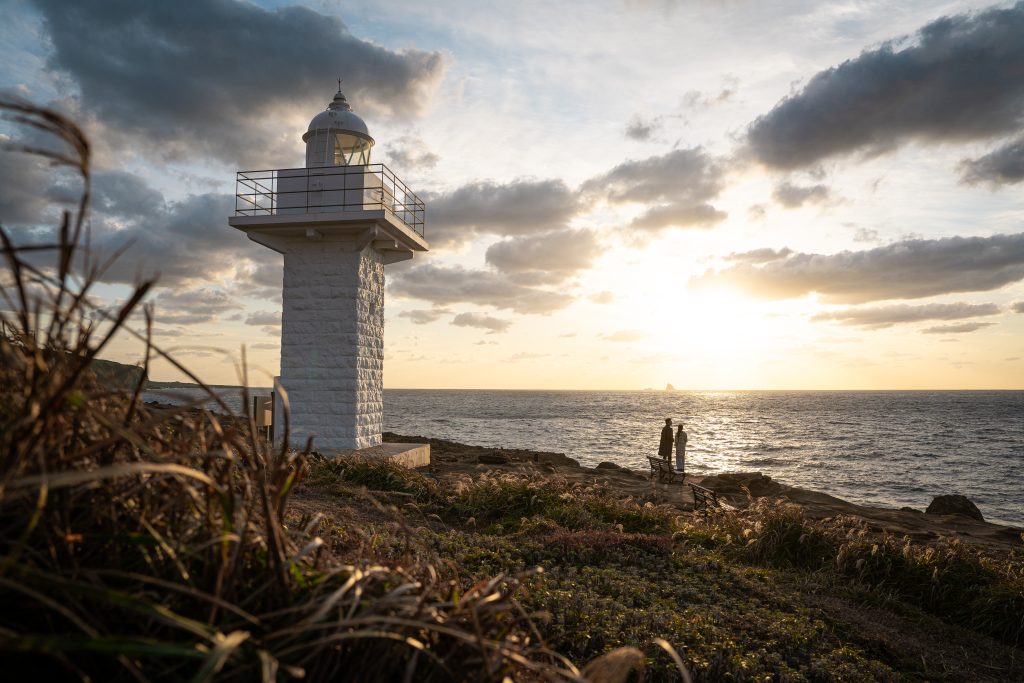
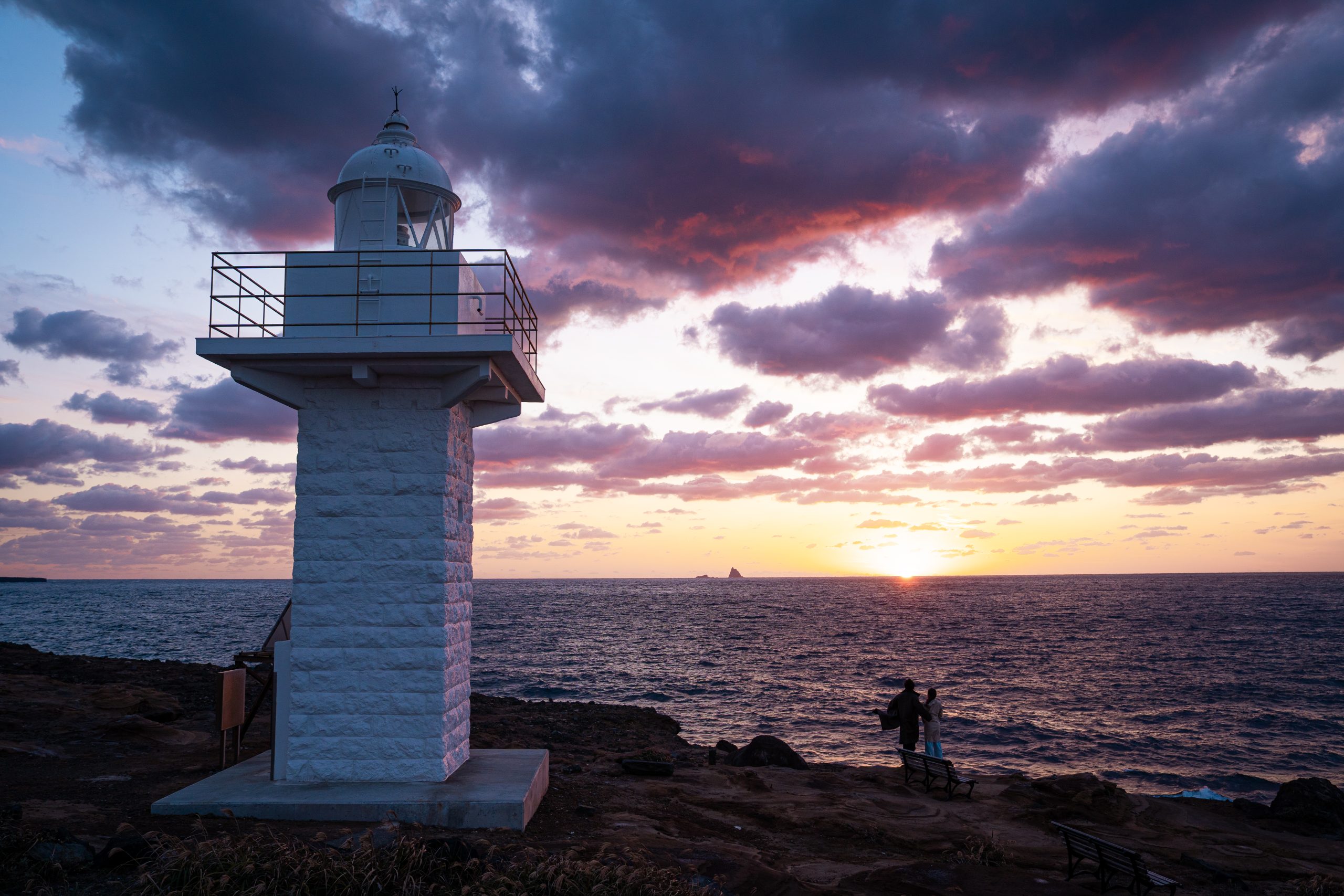
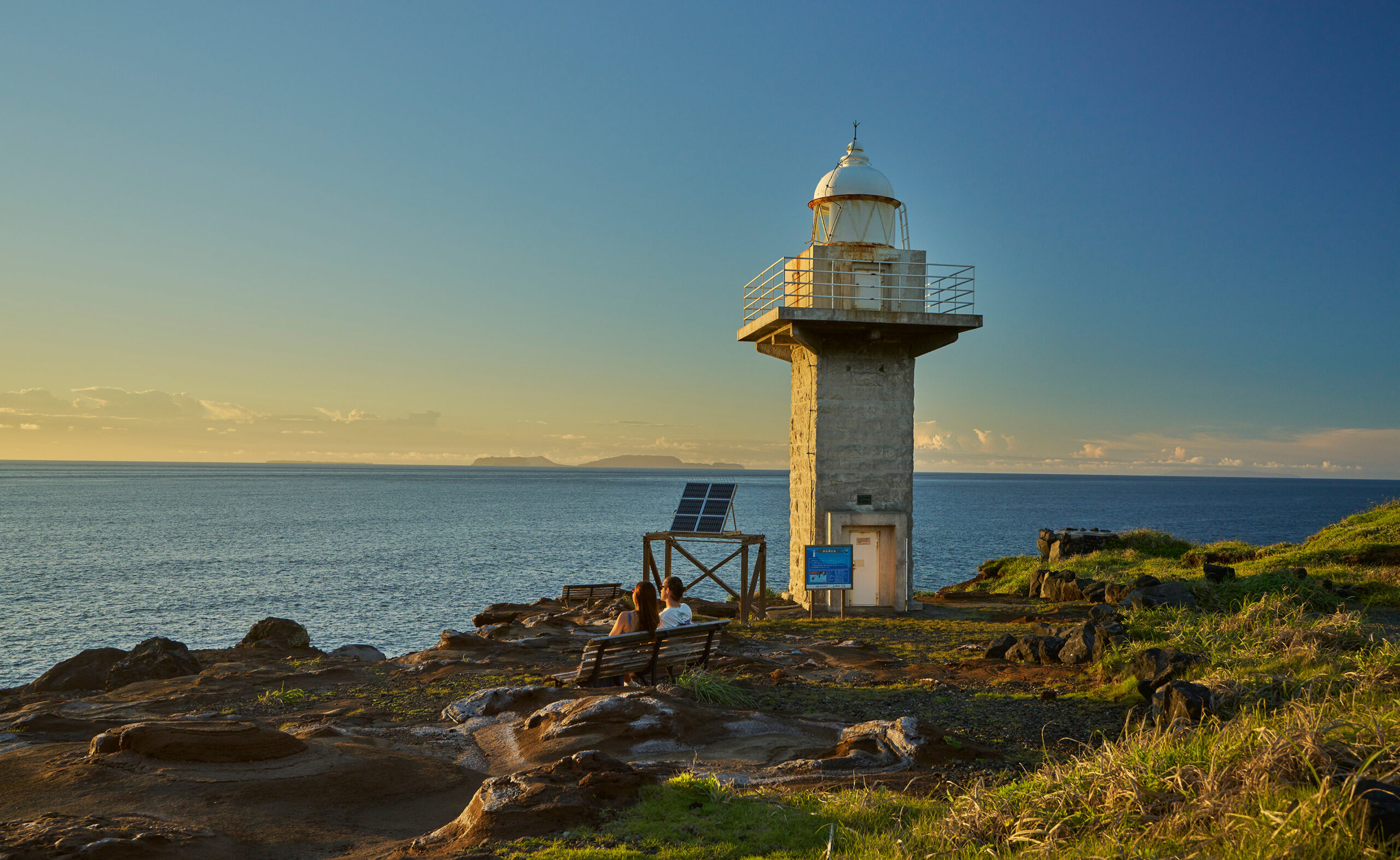
Another short drive from here takes you to Izu Misaki Cape, widely regarded as one of the island’s best places to watch the sunset. The site is home to a striking white lighthouse—the oldest on the Izu Islands—built in 1909 in an unusual square shape. From this vantage point, you can see many of the other Izu Islands, and on clear days, even Mount Fuji. Walking along the coast or sitting on one of the site’s benches allows you to take in the view of the endless blue ocean ahead, slowly illuminated by the changing colors of the sunset.
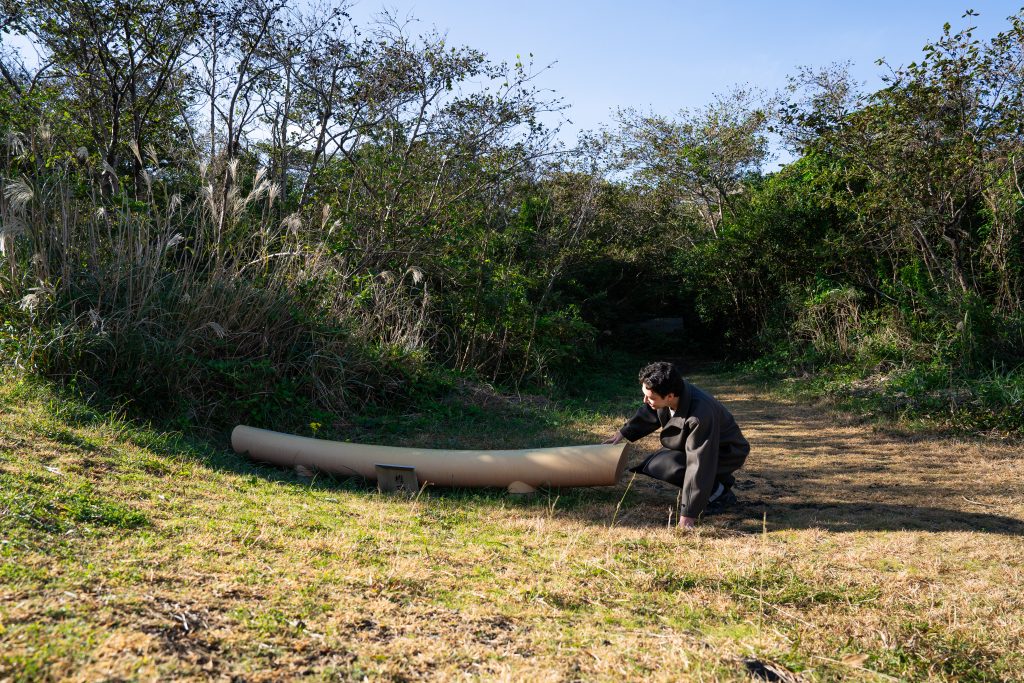
Miyakejima is also home to several quieter landmarks woven into daily island life. Shichito Lookout (literally: “Seven Islands Lookout”) offers sweeping views across the island and its neighbors, while Chotaro-ike Pond, formed by volcanic activity, becomes a familiar summer swimming spot for local children. Shiitori Shrine, a deeply rooted site in the community, was once covered by lava and now stands again, thanks to local efforts.
A Wildlife Sanctuary: Bird Watching and Whale Encounters
Miyakejima boasts rich forests and fertile landscapes that create an ideal habitat for a diverse range of bird species, including several that are rarely found elsewhere. Known as the “bird island,” Miyakejima is designated as an Important Bird Area by the Wild Bird Society of Japan and is home to dozens of wild bird species. Among the most notable is the Akakokko (Izu thrush), a bird designated by the Japanese government as a natural monument and found only in the country’s Izu and Tokara island chains. Currently, Miyakejima is one of the few places in Japan where bird-watchers can easily observe many rare species.
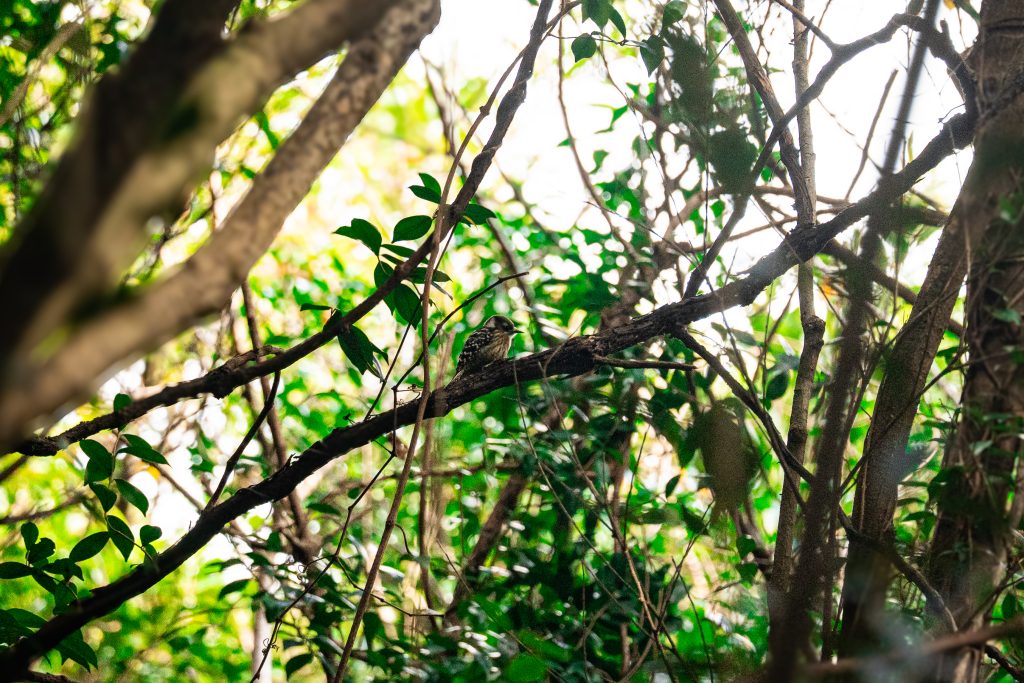
“In spring, particularly in May and June—the peak of the bird-watching season—you can hear all sorts of bird chatter everywhere,” says Hitomi Kikuchi, a local nature guide. “It’s truly magical.”
She shares this as she walks us through the lush forests surrounding Tairo-ike Pond, one of the island’s top bird-watching sites. Formed by volcanic activity more than 2,000 years ago, the forests around the pond attract Izu thrushes, mosuke misosazai (a subspecies of winter wren), Izu robins, and a variety of other rare species. Thanks to its high-density bird population, the forest trail here is nicknamed “Japan’s No. 1 path of chirping.”
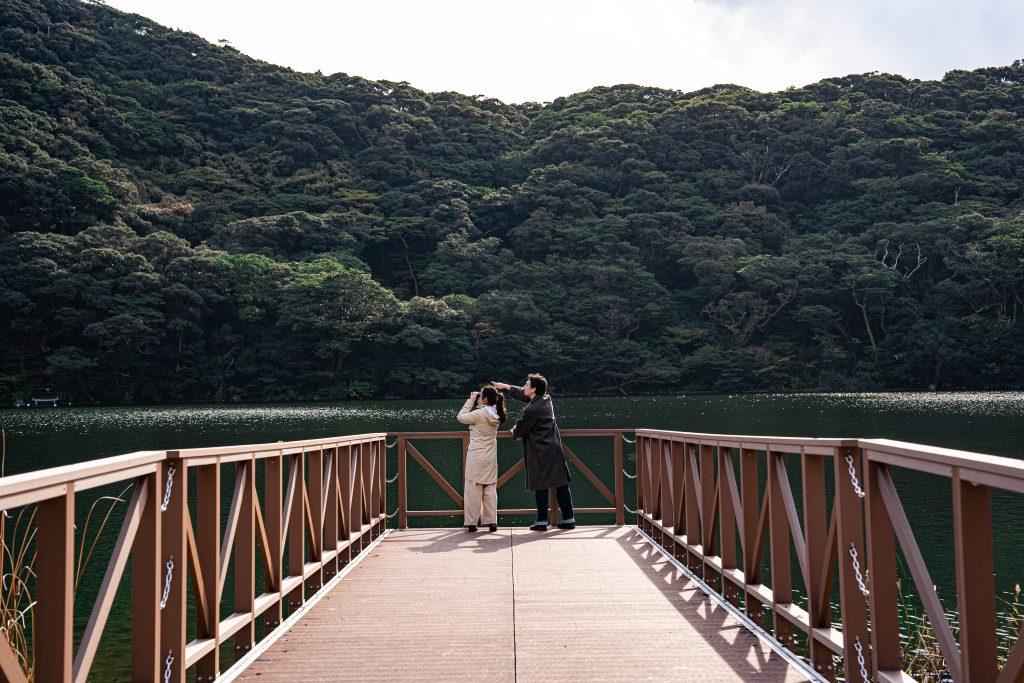
“They’re everywhere,” Kikuchi adds, encouraging us to return in spring to hear it for ourselves.
The nearby Miyake Nature Center (Akakokko Station), which opened in 1993, plays an essential role in conserving the island’s unique natural environment and sharing the stories that make Miyakejima such a welcoming habitat for wildlife.
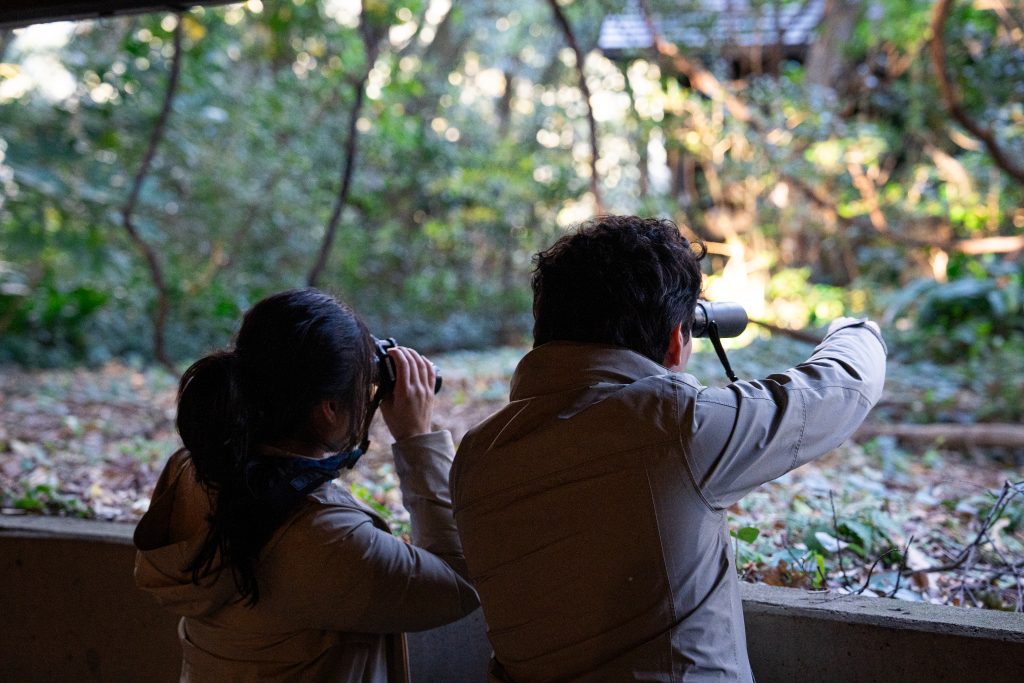
At the visitor center, you can learn about the island’s bird species, listen to their calls, and try to guess which sound belongs to which bird. Telescopes on site also offer glimpses of birds in their natural habitat. For a more playful experience, the center even offers free-to-wear akakokko costumes. It’s a lighthearted activity to enjoy while waiting for birds to appear.
Kikuchi, the head of earth wind &, a local guiding company, is also a deeply knowledgeable whale-watching guide.
“We’re not really sure why, but they started showing up around winter 2018,” she says while we hang out on a hill by the island’s coast, looking out at the ocean, eager for what’s to come.
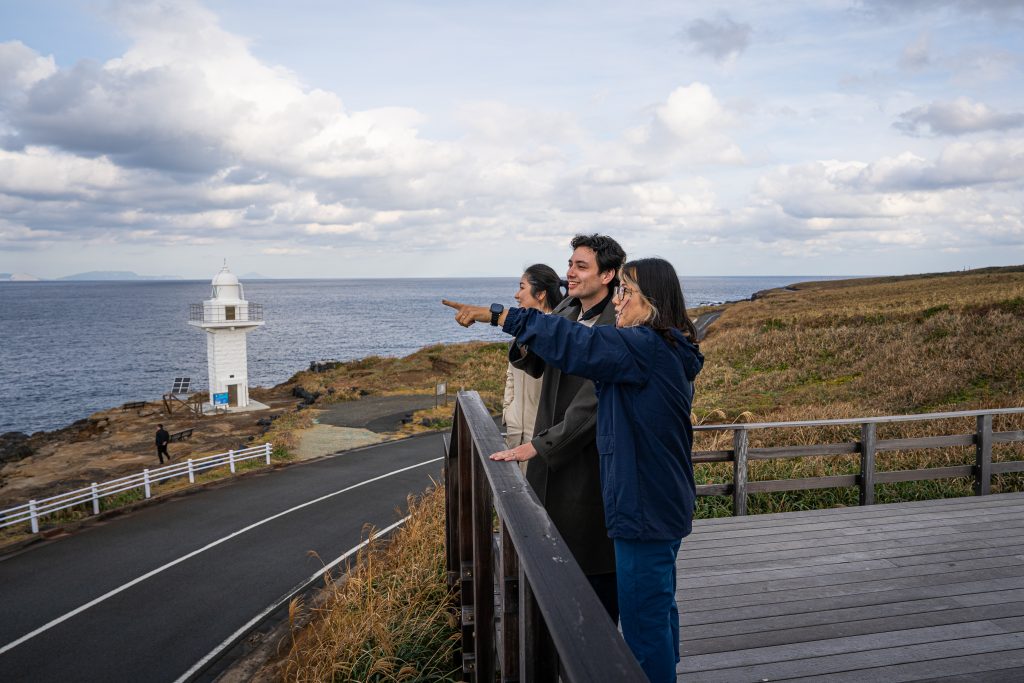
Kikuchi is among those who temporarily left the island following the 2000 eruption, returning permanently in 2007 to establish a business that introduces Miyakejima’s natural richness to visitors. With more than 17 years of experience, she is widely respected for her knowledge and commitment as a guide.
Suddenly, Kikuchi raises her voice, pointing toward the horizon. A humpback whale breaks the surface in the distance. We fall silent, watching as it moves slowly through the water with an unexpected sense of ease. “It must be a family,” Kikuchi says through her binoculars.
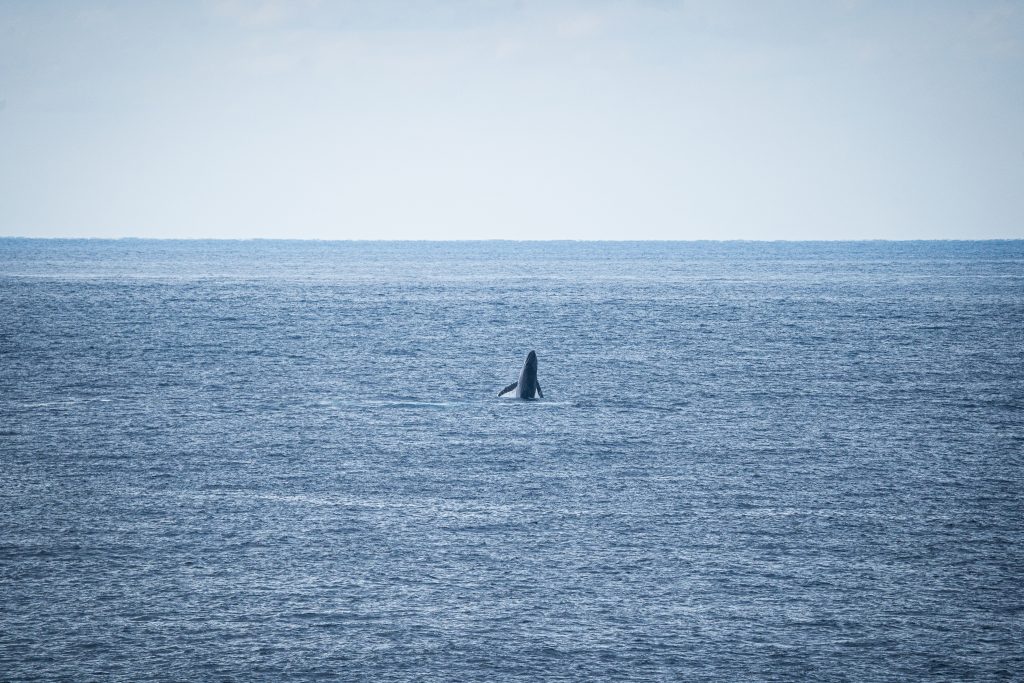
Whales are typically seen surfacing once or twice, but that day, they surfaced repeatedly.
“You’re very fortunate,” she says, visibly moved. “This rarely happens.” Her excitement is contagious. Standing there—watching wild animals in open water, guided by someone who knows the island so intimately—it’s hard to imagine leaving. When the whales surface one last time and disappear from view, none of us is quite ready to go.
Sights, Bites, Chats: Savoring Miyakejima
Hunger takes us to Terrace Cafe Restaurant GIZMO, a cafe-restaurant perched on a hill with a terrace overlooking the ocean. Occupying the grounds of a photographer’s former villa, GIZMO is a striking space, with a whitewashed exterior and open terrace that feels almost Mediterranean.
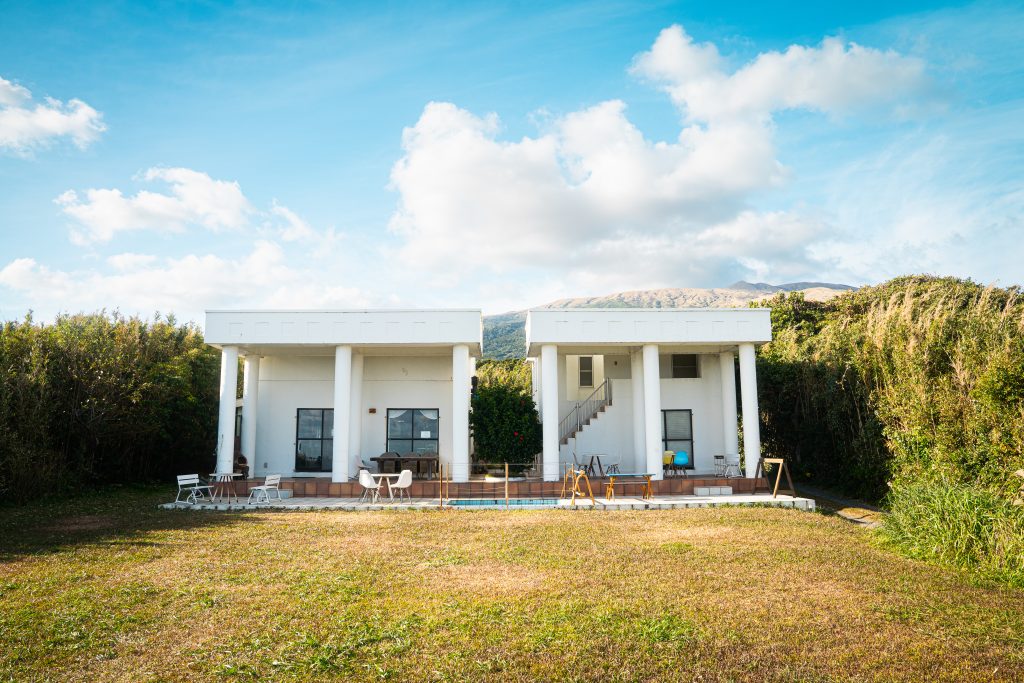
Inside, we’re warmly greeted by the owner-chef, Daisuke Kobayashi, a long-time resident of Miyakejima. During the island’s evacuation period in the 2000s, he trained as a chef—a path that eventually led him to open GIZMO in 2019. As he prepares our boxed lunches for takeout (lunch service here is limited to takeout only), he smiles and tells us that his wife, Sayuri, curates the selection of locally made Miyakejima goods displayed at the cafe. Like his decision to open a restaurant in his hometown, she too wanted to do something that would enliven the island, he says.
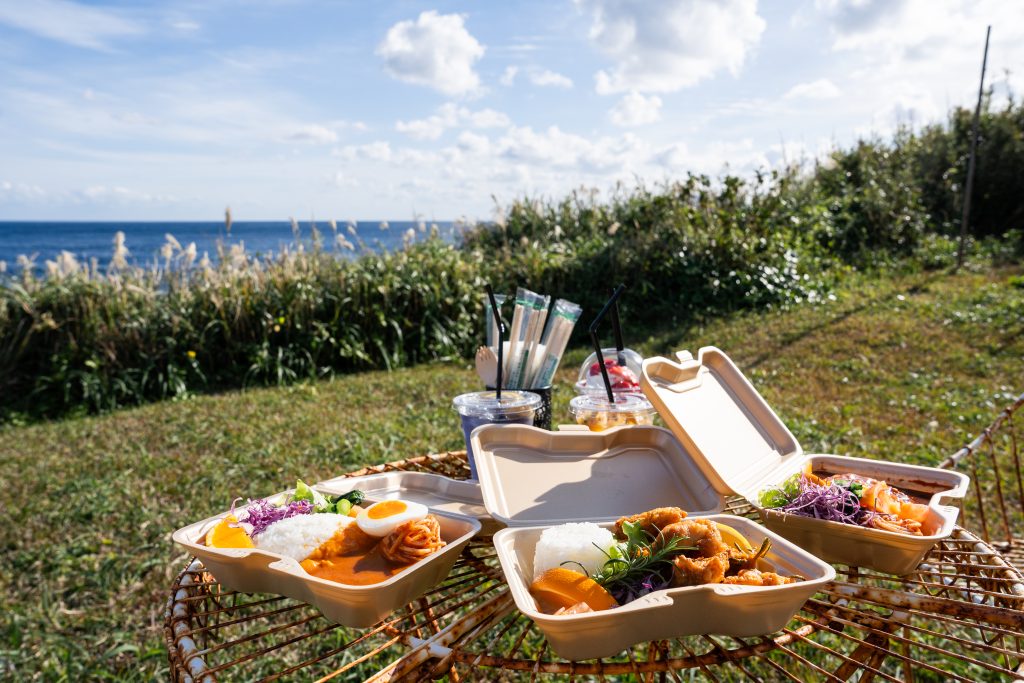
The lunch is delicious—rosemary chicken, curry rice, non-meat omelette over rice—the menu varies by season and day, but the experience of enjoying your meal here, on the terrace against the Miyakejima scenery as a backdrop, is especially memorable.
On our way back to the island’s center, we stop by Pension & Bakery Hanamiduki, a local bed-and-breakfast inn that also sells freshly baked bread. Local residents stop by one after another, drawn by a rotating lineup that ranges from ashitaba (a local herb) cream bread to black bean buns and other baked goods.
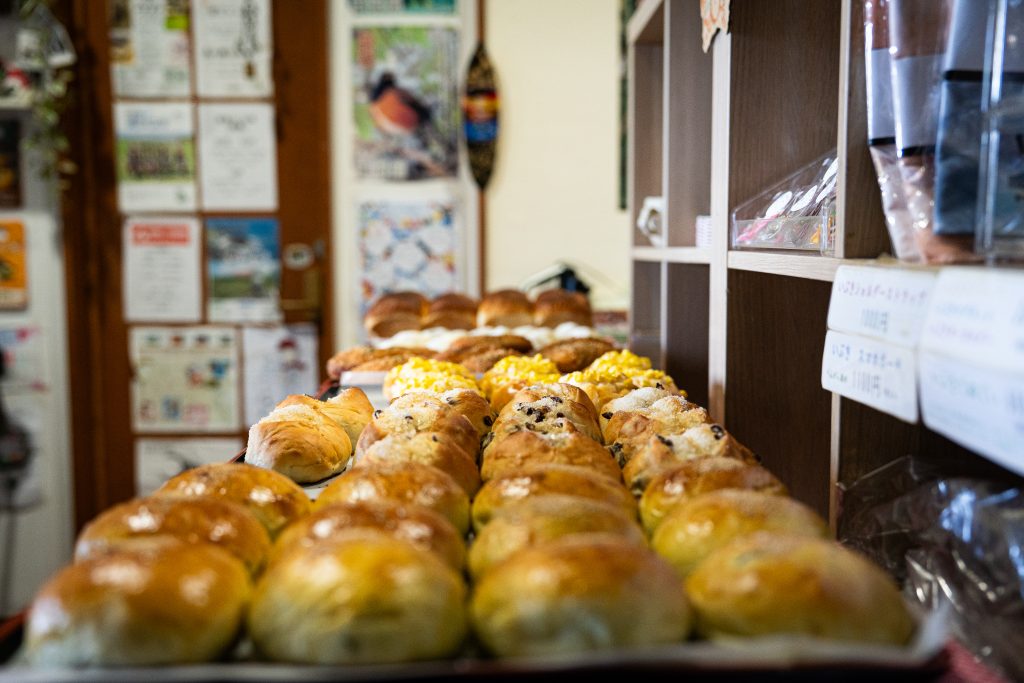
“Come sit while you wait,” the owner says warmly. “I’ll make coffee.” The bread—and the coffee—are gone almost instantly.
Ready for more, we stop by Mendokoro Oana, a cool spot that combines ramen and ice cream, sitting on the second floor of the local tourism association building. The owner, who’s in his early twenties and named the place after a close friend, is busy whipping up ramen while playing some hip-hop tunes. He serves up a steaming bowl of noodles topped with Miyakejima seaweed and mentions he just got back from central Tokyo to help out his family.
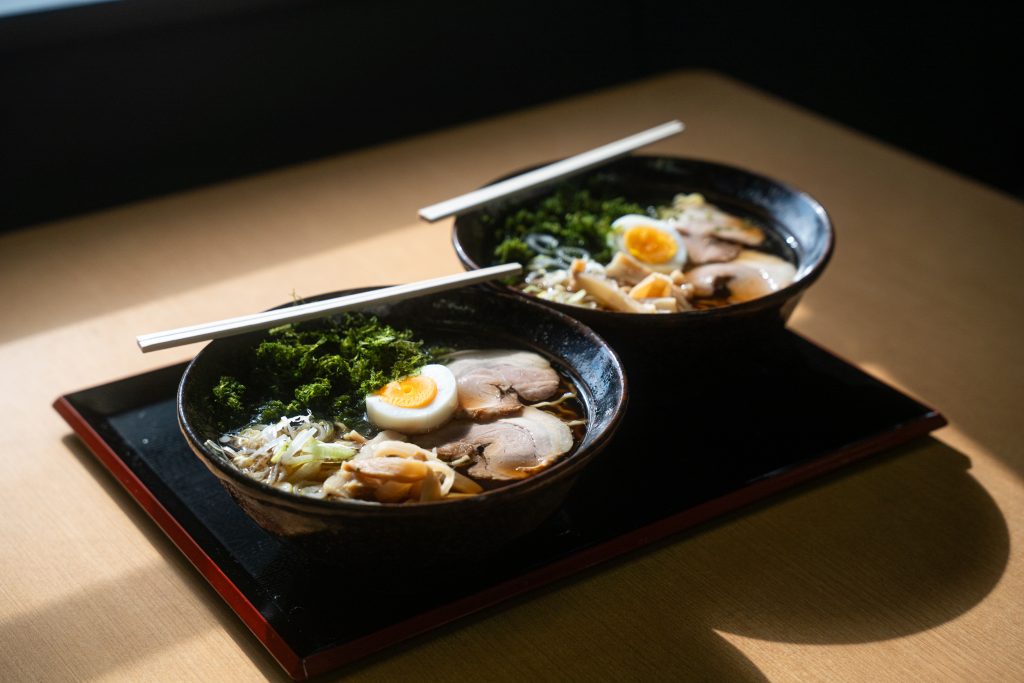
“I’m still getting the hang of perfecting the ice cream,” he says with a smile. The culinary fusion feels fitting—distinctive, much like its owner.
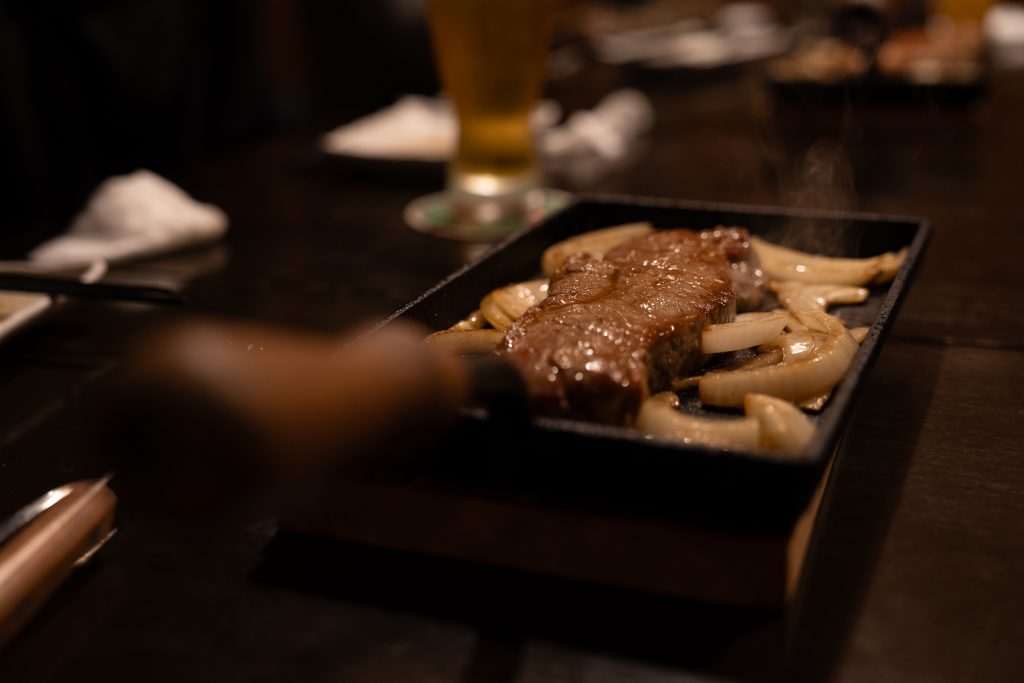
For our last night on the island, we ask our host at CS Resort for local recommendations. He makes a quick call to a friend and helps us book a table at Nritano, an Italian restaurant within walking distance of the hotel.
On the way, in the darkness, we look up at the sky and see something we haven’t recently seen in central Tokyo—a sky so dense with stars that they seem to light our way. At Nritano, we’re warmly greeted by the owner, Kenichiro Kikuchi, who also runs a farm nearby. The fresh vegetables we enjoy at dinner are grown there, making full use of the island’s fertile land.
As we chat over dinner, he asks about our day. We mention spotting whales, and he smiles, sharing that our guide, Hitomi, is his wife. “She really knows her stuff about Miyakejima,” he says, and we nod along. The conversation flows naturally as we swap stories about our experiences, what daily life is like on the island, and why Miyakejima is such a unique place. Even with typhoons and the island being shaped by strong natural forces, Kikuchi says there’s really nothing like living here—and we somewhat find ourselves agreeing.
On our last day, before catching our flight back to central Tokyo, we make time for two final stops that caught our eye while touring the island.
The first is Okataro Honpo, a cozy little shop known for its milk crackers baked fresh in the morning. The staff greet us warmly and invite us to sample the latest batch. They’re delicate, slightly sweet, and delicious, and we quickly stock up on a few boxes for the journey home—small, edible reminders of the island.
From there, we head to Aco’s, a kitchen car serving hot dogs from a wooden counter.
“Your plane leaves soon? I’ll make them fast,” the owner, Koki Okubo, says with a smile. As we wait, he tells us he recently relocated to the island—his grandmother’s hometown—from central Tokyo alongside a friend, and is now building a food and accommodation business here. Like so many others we’ve met, he made Miyakejima his permanent home.

We finish our hot dogs, brush the crumbs from our hands, and head straight toward the airport.
On the drive to the airport, the coastline comes into view once more—black rocks against the open sea. Just two days ago, we arrived before dawn, unsure of what to expect. Now, what stays with us isn’t only the volcanic landscapes or the wildlife, but how much we liked this place—and the people who shape it.
We’re not quite ready to leave.
And somehow, we already know we’ll return.
Plan your Visit: Access & Tips
With its rich natural environment and variety of outdoor experiences, Miyakejima is a destination that rewards travelers who take their time. At the same time, the island’s remote location requires careful planning. To help ensure a smooth and enjoyable trip, here are a few practical tips to keep in mind as you prepare for your visit.
Access & Transportation
Miyakejima can be reached by overnight ferry (approximately 6.5 hours) departing from Tokyo’s Takeshiba Terminal, or by plane (around one hour) from Chofu Airport. One option is to travel to the island by overnight ferry and depart by plane. The flight operates at a low altitude, offering expansive views of Miyakejima and the surrounding ocean. Please note that seats on both ferries and flights are limited, so booking well in advance is strongly recommended.
After arriving, the easiest way to get around the island is by car, though rental bicycles are also available. For information on local rental companies, please see here.
Some accommodations offer pick-up services from the ferry port; however, availability varies. Be sure to arrange your accommodation and transportation details in advance.
When to Visit
Miyakejima welcomes visitors year-round. However, many stores and attractions operate seasonally or may keep irregular hours. Ferries and flights can be delayed or canceled due to high winds, rough seas, or other natural conditions, and some businesses may shorten their operating hours during the rainy season or winter. Checking weather forecasts and confirming business hours in advance is recommended.
The peak bird-watching season runs from late March through early June. Swimming, snorkeling, diving, and other marine activities are best enjoyed in summer, while winter is the prime season for whale-watching. For island activities, reservations are recommended.
Where to Stay
Accommodations on the island are limited, particularly during peak seasons. Be sure to check the access information and book in advance. For a list of recommended stays, see here.
Cash
Many of the island’s stores and activities accept only cash. Please bring some money with you.
Safety & Preservation Notice
Nippana Shinzan and Meganeiwa are natural formations shaped by volcanic and coastal forces.
For safety and environmental protection reasons, visitors are asked not to climb on restricted or unstable areas, including the outer edges and elevated rock sections.
Please help preserve these fragile landscapes by observing posted signs and following local guidance.
Destinations mentioned in this article:
GET TO KNOW Miyakejima